The Future Is Video-First: Essential Insights for B2B
September 9, 2025

Quick Answer: Explainer videos are rapidly becoming the cornerstone of B2B marketing. Backed by Google and Kantar’s latest research, the data proves that buyers now default to video when learning, comparing, and deciding. For CMOs, investing in professional explainer videos isn’t optional anymore; it’s the clearest way to simplify complexity, build trust, and accelerate enterprise decisions.
- Why Google Says the Future Is Video-First
- Explainer Videos for B2B: The Content Format Built for a Video-First World
- From Entertainment to Education: How Buyers Now Use Video to Learn
- Nonlinear Journeys Demand Always-On Video Content
- Why YouTube Dominates as the Preferred Platform for Learning and Discovery
- Creators, Credibility, and the Trust Dividend
- Cutting the Buyer’s Journey: How Video Accelerates B2B Decisions
- Explainer Video for B2B Trends: Short-Form, Searchable, Scalable
- How CMOs Can Realign Strategies to a Video-First Future
- Partnering for Impact: Why Professional Explainer Video in Production Wins in B2B
- FAQs
Marketers are under pressure like never before. Complex solutions need to be explained with clarity. Buyers demand authenticity. And time-to-decision keeps shrinking. Against this backdrop, one channel has emerged as the most powerful way to connect with audiences: video.
The Google/Kantar study, “Video has changed. Is your marketing strategy ready?” confirms what many of us have already felt: video has become the default medium for everything from entertainment to education. And in a B2B context, this has profound implications. Explainer videos, in particular, have become the format buyers turn to when they need to understand a product, a platform, or a process quickly.
This blog explores why the future is video-first, how explainer videos fit into the evolving B2B buyer journey, and what enterprise CMOs can do today to stay ahead.
Why Google Says the Future Is Video-First
Over the past few years, consumer behavior has undergone a massive shift. The Kantar research, commissioned by Google, found that people now default to video across nearly every part of their lives. As one Gen Z respondent described: “I use video more now than I ever have.” This isn’t just about Netflix binges…it’s about learning, discovery, and decision-making.
For marketers, the key takeaway is that buyers don’t separate their consumer habits from their professional ones. If they prefer video when learning to cook, they will also prefer video when evaluating enterprise software or complex tech services.
Video-first isn’t a trend; it’s a fundamental behavioral shift.
Explainer Videos for B2B: The Content Format Built for a Video-First World
Explainer videos thrive in this environment because they address the exact problem today’s buyers face: information overload. According to HubSpot, 96% of consumers have watched an explainer video to learn more about a product or service. These videos condense complexity into two or three minutes of narrative clarity.
In the enterprise B2B world, where products often involve advanced integrations or multi-step processes, explainer videos become more than marketing assets. They’re decision enablers. A well-crafted explainer doesn’t just introduce a solution: it demonstrates how it works, why it matters, and how it connects to buyer pain points.
That’s why CMOs across industries are now prioritizing explainer videos for B2B as a core part of their digital arsenal.
From Entertainment to Education: How Buyers Now Use Video to Learn
The Kantar study revealed how deeply audiences have redefined video.
70% of viewers in the U.S. prefer to watch a video to figure out how to build something, while 63% prefer video to learn how to cook.
These behaviors may sound consumer-driven, but the underlying psychology translates directly to enterprise buyers.
When someone is evaluating a cybersecurity platform or SaaS solution, they don’t want to wade through whitepapers. They want a concise, visual “how it works” breakdown.
TechSmith adds that 83% of people prefer consuming instructional or informational content via video over text or audio. In short, education has gone video-first. For B2B marketers, the smart move is to anticipate questions and proactively answer them with explainers that teach, not just pitch.
Nonlinear Journeys Demand Always-On Video Content
Today, buyers move fluidly across streaming, scrolling, searching, and shopping. Google and Kantar identified these four behaviors as central to how consumers engage with content.
What does that mean for B2B? It means your buyers don’t move from awareness to decision in a straight line, they zigzag across platforms and devices.
Explainer videos for B2B give marketers a flexible asset that works in every context. They can live on your homepage, be repurposed into social snippets, be embedded in nurture emails, and even fuel sales demos. In nonlinear journeys, explainers become “always-on” companions that answer questions whenever and wherever they arise.
Why YouTube Dominates as the Preferred Platform for Learning and Discovery
Google/Kantar’s study highlights that YouTube leads all competitors (Netflix, TikTok, Disney+, and more) when it comes to streaming, browsing, and searching.
In fact, 91% of U.S. viewers say YouTube has the best instructional content. For marketers, this positions YouTube as the number-one platform not only for reach but also for trust and discovery.
B2B Enterprise brands that host their explainer videos on YouTube tap into this built-in behavior. Buyers are already there searching for how-to content, product reviews, and tutorials. By optimizing explainer videos with SEO-friendly titles and descriptions, CMOs ensure their brand shows up at the exact moment prospects are actively learning.
Creators, Credibility, and the Trust Dividend
Trust is the new currency.
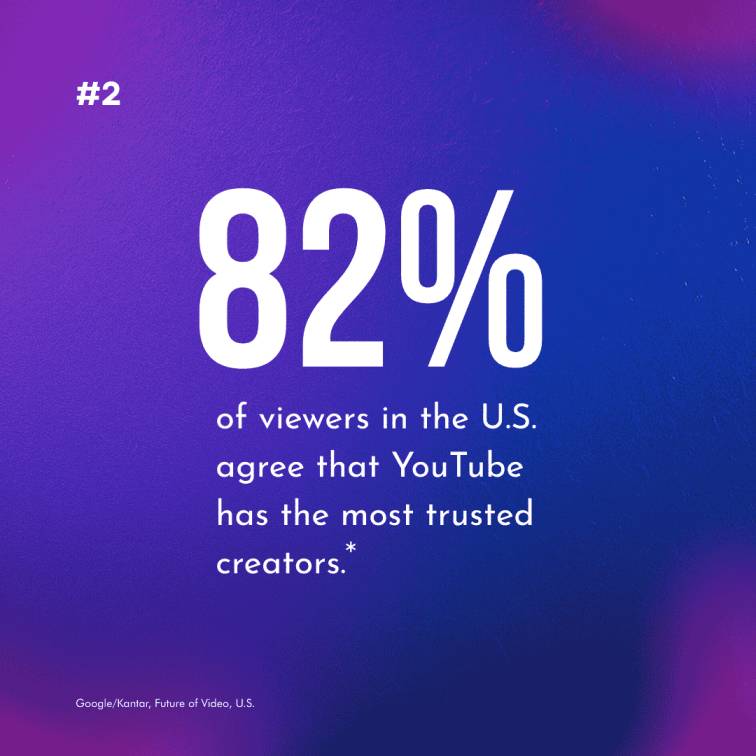
Kantar found that 82% of U.S. viewers believe YouTube has the most trusted creators, and 83% of Gen Z prefer creator content over studio productions.
Why does this matter to B2B marketers? Because the same dynamics apply. Buyers trust voices that feel authentic, clear, and human.
Explainer videos that lean into this style, by showcasing real experts, simplifying jargon, and focusing on transparency, benefit from what Google calls the “trust dividend.”
The more authentic your video feels, the more confident buyers become. And in B2B, confidence drives action.
Cutting the Buyer’s Journey: How Video Accelerates B2B Decisions
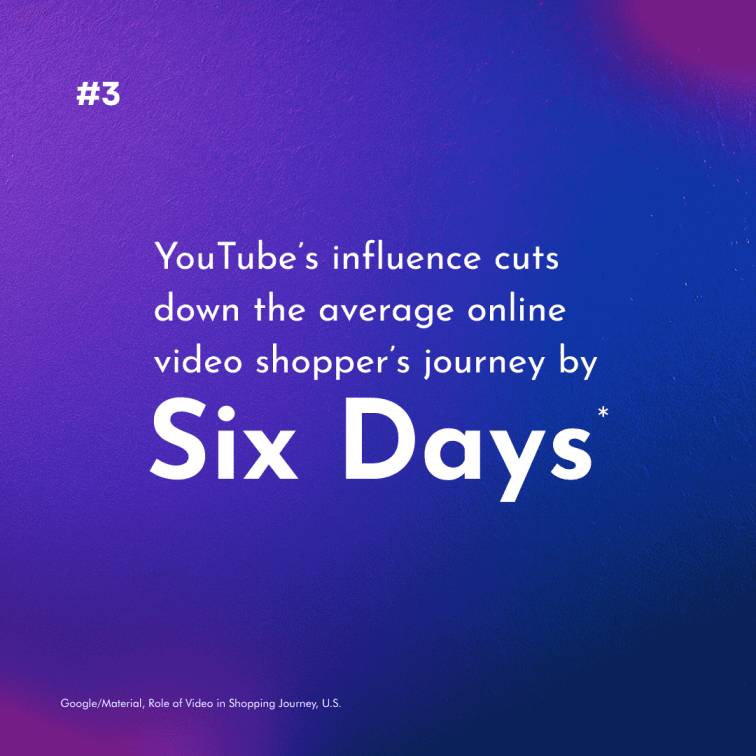
The same Kantar research shows YouTube shortens the average U.S. video shopper’s journey by six days.
That’s extraordinary. In enterprise marketing, where buying cycles can stretch months or even years, every day saved is a competitive advantage.
Explainer videos work by reducing cognitive load. They let a prospect understand in minutes what would otherwise take hours of reading or calls. That speed not only accelerates the funnel, it builds momentum toward conversion.
Explainer Video for B2B Trends: Short-Form, Searchable, Scalable
The format landscape is changing fast. Buyers are consuming content across connected TVs, mobile feeds, and even podcasts. HubSpot notes that 78% of consumers prefer short videos to learn about a product. Pair this with Kantar’s finding that YouTube dominates for both long-form and short-form, and the lesson is clear: explainer videos need to be modular.
That means creating a two-minute flagship explainer, then breaking it down into bite-sized vertical cuts, animated GIFs, or micro-demos.
This approach ensures your video content is searchable, snackable, and scalable across markets and platforms. For global enterprise campaigns, this is how CMOs extend impact without ballooning budgets.
How CMOs Can Realign Strategies to a Video-First Future
Here’s the gap: Kantar found that while consumers already see video as a tool for education and decision-making, many still treat it as just an awareness driver.
That’s a missed opportunity.
Explainer videos belong at every stage: from top-of-funnel thought leadership to bottom-of-funnel product demos.
HubSpot reinforces this shift, with 93% of marketers considering video an essential part of their strategy. For CMOs, this means reallocating budgets from static assets like PDFs and infographics toward professional explainer video production. Done right, this investment doesn’t just keep up with buyer behavior, it positions your brand as a trusted educator and problem-solver.
Partnering for Impact: Why Professional Explainer Video in Production Wins in B2B
Finally, let’s talk execution. Explainer videos only deliver results when they’re done right: high-quality visuals, strategic storytelling, and distribution designed for today’s platforms.
For enterprise CMOs, partnering with a seasoned video agency ensures your explainers don’t just look good; they drive measurable results. The right partner understands how to align content with business goals, adapt it for global campaigns, and create a cohesive narrative across every channel.
In other words: explainer videos are more than marketing; they’re a strategic infrastructure.
Let’s Brew This!
FAQs
Most effective explainers run between 60–120 seconds. This balance allows enough time to explain a concept while still respecting short attention spans.
Both. YouTube offers global discoverability and SEO advantages, while embedding videos on your site increases dwell time, boosts on-page SEO, and strengthens lead capture.
Yes. Videos increase dwell time and engagement, both of which are positive signals for Google’s algorithms. HubSpot reports that video boosts organic traffic and conversions.
Not at all. Explainers work across the funnel—from educating prospects, to enabling sales teams, to onboarding new customers. They’re one of the most versatile assets in enterprise marketing.